The line in the disclosure
Sometimes the seller says it outright: one line in the disclosure packet, "chimney fire, 2019, repaired." More often nobody says anything, because the seller never knew. A chimney fire can burn out in minutes with nobody home, and the only signs left behind are inside the flue.
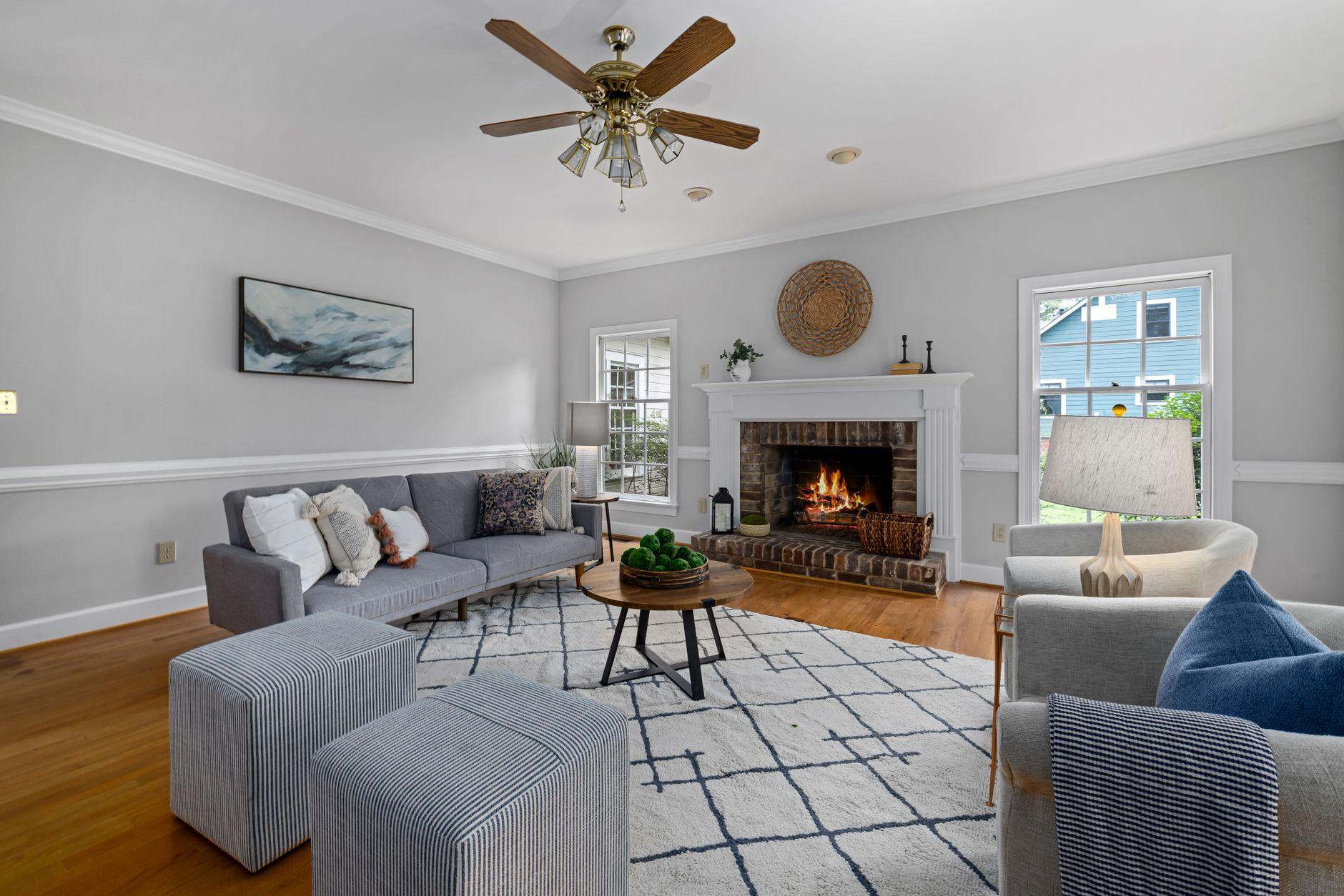
If you are buying a house in Diamond Bar with a fireplace, either situation leads to the same question. Has this chimney burned, and if it has, what does it cost to make it right before you own it? This post covers the signs to watch for in a listing, the inspection that answers the question, and how a finding becomes money at the negotiating table.
Signs a chimney may have burned
None of these proves a fire. Each one is a reason to film the flue before the contingency runs out.
- A brand-new cap on an old, weathered chimney. Caps get replaced after fires more than at any other time.
- Fresh paint or new firebrick in a firebox that otherwise looks old.
- Black, puffy or shiny crust around the damper when you look up with a phone light.
- A metal chase top that is warped or discolored, on a house with a factory-built fireplace.
- Paperwork for a "repair" with no mention of a camera.
- A fireplace the seller says has not been used in years, with no reason given.
What a general home inspection covers
A general home inspector is looking at the whole house in a few hours. They open the damper, shine a light, check the hearth and look at the chimney from the roof edge or the ground. That is useful, and it is not a look inside the flue. A cracked tile twenty feet up is out of their reach, and most of them say so in their report, often recommending a chimney specialist.
That recommendation is the cue. A chimney that may have burned needs the Level 2 inspection: a camera through the full flue, the attic where the chimney meets framing, the outside and roof, and a written report with stills. At McGee Chimney Sweep that is $400, the same for any house.
When to schedule it
The camera visit needs to happen while you still have time to act on what it finds. In practice that means fitting it inside your inspection contingency, early enough that a finding can be priced and put in front of the seller before the window closes. Tell us your contingency end date when you book so we can tell you plainly whether it fits.
What the report gives you at the table
The report sorts what the camera saw into three groups: damage from a fire, ordinary wear, and parts that are sound. That sorting matters when you negotiate. A seller can argue about wear on a forty-year-old chimney. Split tiles and burnt-out joints with stills attached are much harder to wave off.
From there, a finding becomes one of three requests:
- The seller repairs before closing. You want the repair in writing, with the same camera run after the work.
- The seller gives a credit. You get a figure off the price or toward closing costs, and you hire the repair after you own the house.
- The price comes down. Same idea, a different line on the paperwork.
Your agent decides which request to make. Our part is a report clear enough that the agent can hand it across without rewriting it.
What decides the size of the credit
A credit is only as solid as the repair price behind it. Some items carry set ranges at McGee Chimney Sweep:
- $570 to $3,400 to find a roof leak at the stack and stop it
- $455 to $1,030 for a cricket that turns water away from a wide chimney
- $685 to $1,700 when that cricket goes in with fresh flashing
A cap fitted on the flue is quoted on site.
The larger items after a fire are relining, crown replacement and rebuilding the chimney above the roof. Those get a written figure from the footage. On a fire-damaged flue they are usually the bulk of the credit, so the written figure is what your agent will want before making the request.
Book the camera visit and put two things in the message box: your contingency end date, and the names of anyone who should receive a copy of the report. We send it to the addresses you give us.
Local houses and what they hold
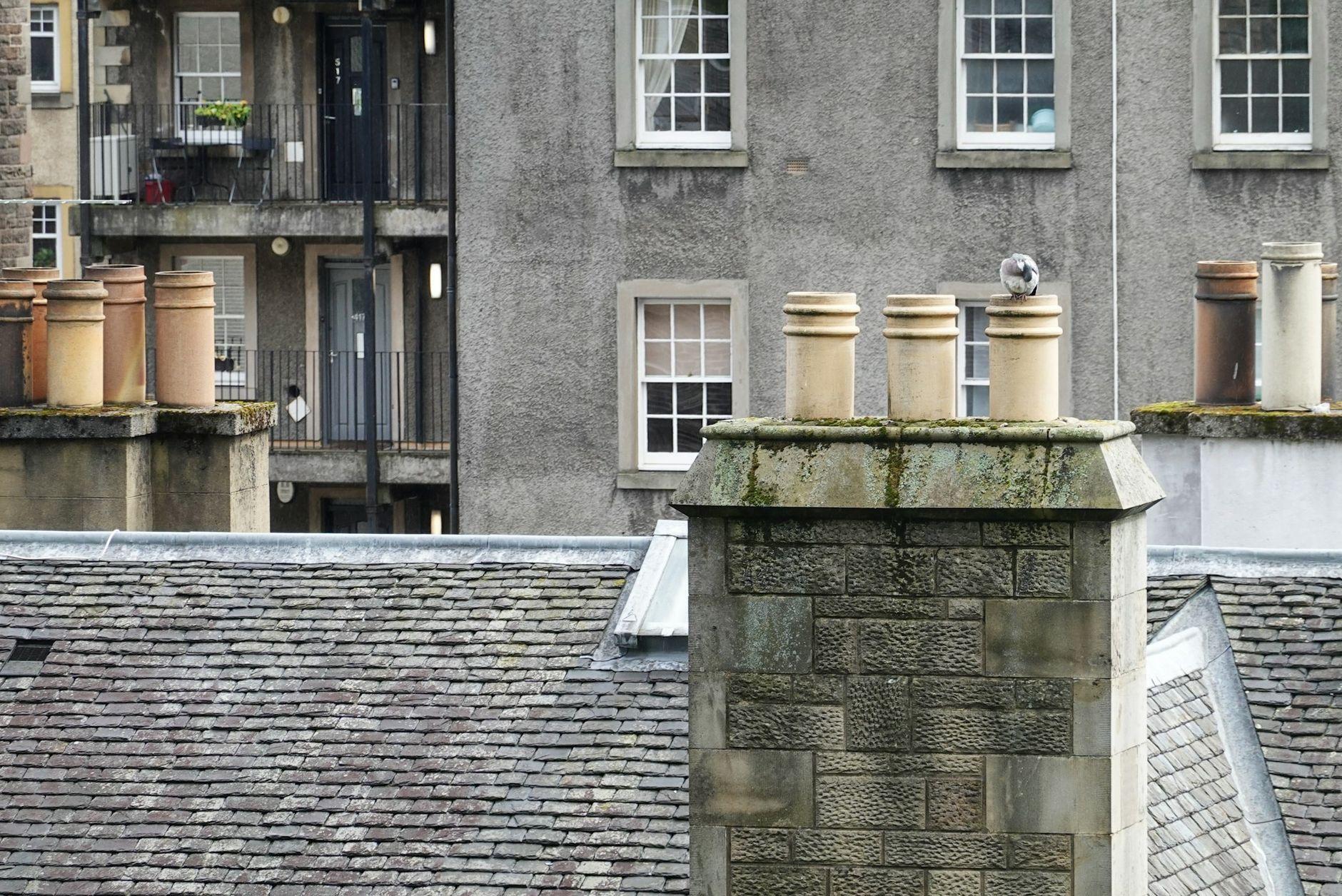
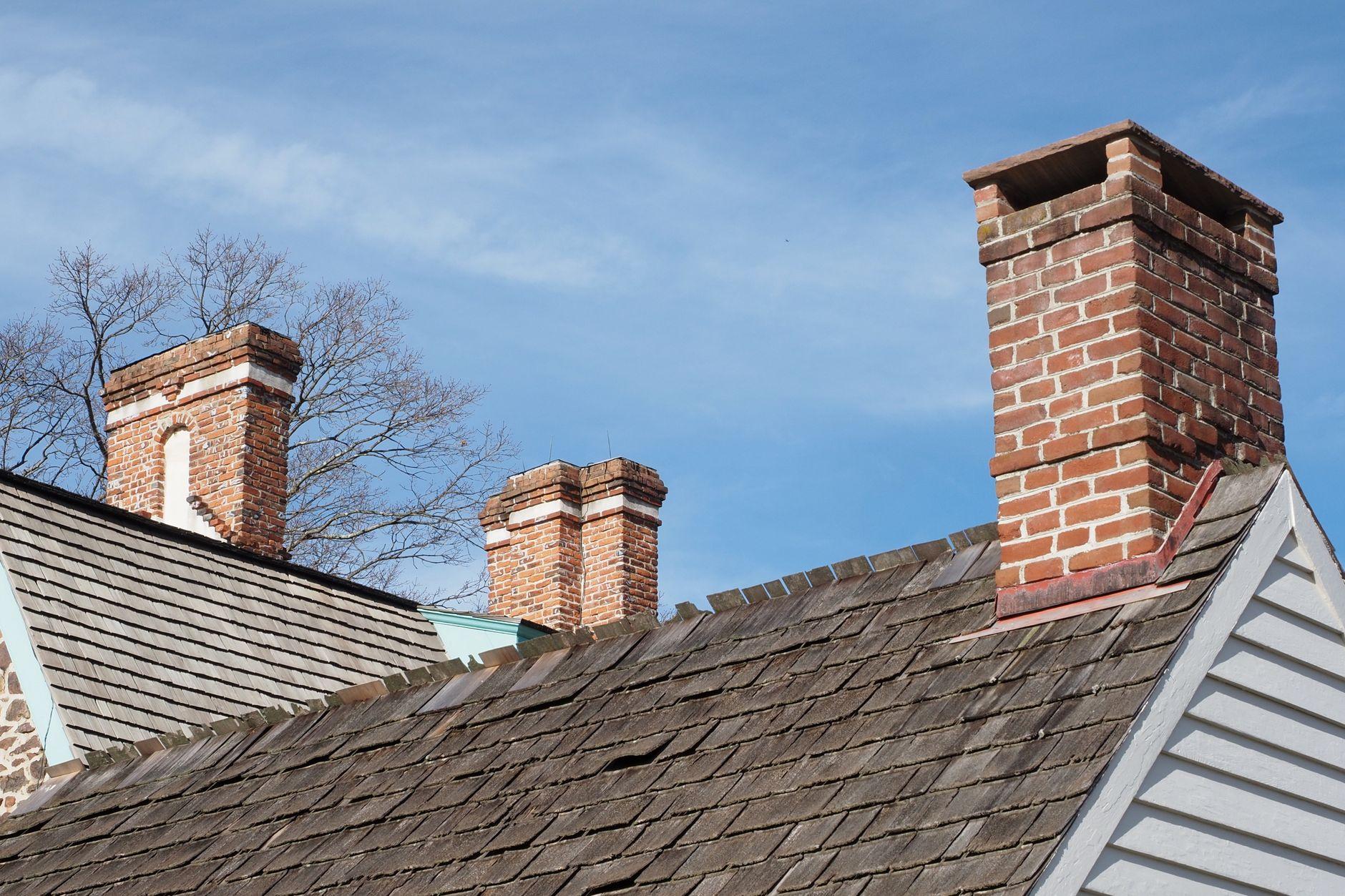
Across Diamond Bar, Brea, Pomona and La Puente, buyers see a mix of brick chimneys with clay liners and factory-built fireplaces in a framed chase. A fire in each leaves different marks. Brick and tile show cracks, open joints and spalled faces. Factory-built systems show warped pipe, separated joints and scorched chase framing, and the fix there is replacing parts with ones made for that system.
On hillside lots, chimneys on the downhill side of the roof can be tall and hard to see from the street. The camera does not care where the chimney stands; the roof view sometimes takes longer.
After you close
If the seller repaired before closing, keep the report and the after-work footage with your house papers. If you took a credit, the report is the starting point for the repair. Either way, nobody should light the fireplace until the last report says it is ready.
Our home sale inspection page explains how findings and prices line up for buyers and sellers. Agents can see how we write findings for them on the real estate agents page. For the cost of the visit itself, read what a post-fire inspection costs.
Questions about a listing you are looking at? Send them through our contact page with the street name and your contingency date.
Seeing This at Your House?
Leave the fireplace unlit. McGee runs a camera up the flue, records the damage with dated photos and prices each repair in writing. Crews work from Diamond Bar across Pomona, Brea, La Puente and the towns around them.